Gut–brain axis: how bacteria reach the brain without moving
The gut–brain axis is the set of routes by which the gut and its microbes talk to the brain: the vagus nerve, hormones from gut cells, immune messengers and bacterial metabolites in the blood. Most of the body's serotonin is made in the gut, under microbial influence. The connection is real; its size in human mood is still being measured.
 Written by: Magnus Larsen · Microbiologist · Science bloggerPublished: Facts checked:
What this system is
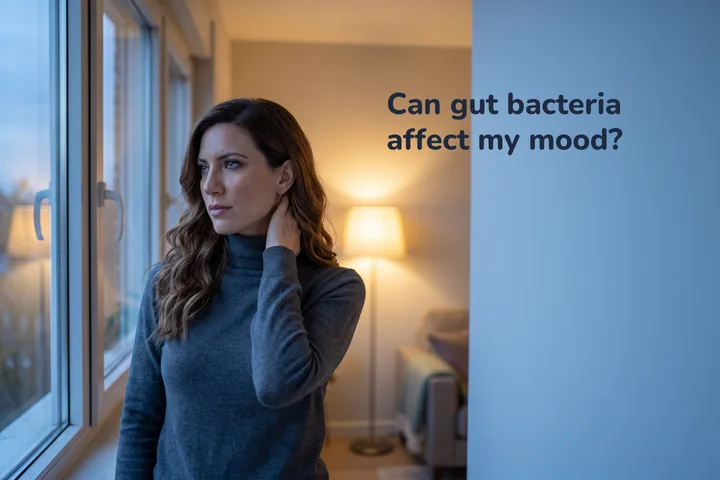
The gut has its own nervous system — the enteric nervous system, a mesh of neurons in the intestinal wall — and a direct line to the brain through the vagus nerve. Bacteria do not need to leave the gut to use it. They make metabolites that gut cells sense: short-chain fatty acids, tryptophan derivatives, even neurotransmitters such as GABA. Enteroendocrine cells — the hormone-releasing cells of the gut lining — translate those signals into hormones and into vagal firing. Immune cells add a second channel: cytokines produced at the gut lining reach the brain and change behaviour — the lethargy of infection is a familiar example.
Germ-free animals show what the absence of this traffic does: altered stress responses, an altered blood–brain barrier, altered social behaviour. Restoring bacteria early restores much of it.
The three questions people ask
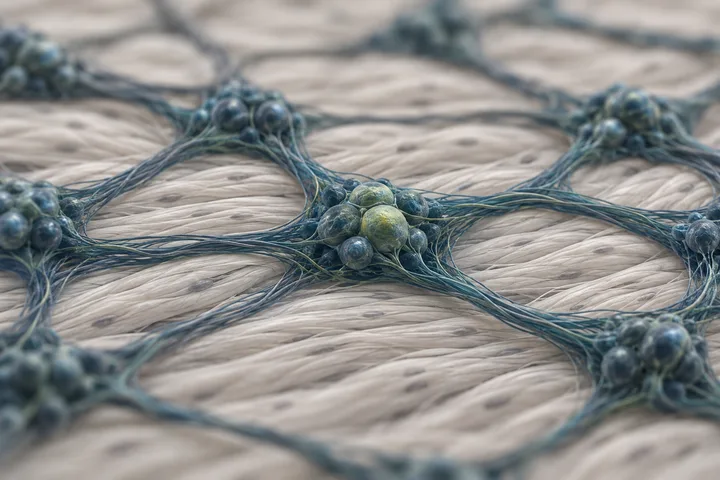
Can gut bacteria affect my mood? In animals, yes, and strongly. In humans, people with depression carry a different gut community, and some fermented-food and probiotic trials have shifted mood scores modestly. Whether the bacteria are cause, consequence or both is unresolved.
What is a psychobiotic? A bacterium given for a mental-health effect. The concept is real; the evidence for any specific strain in a clinical population is preliminary.
Does a stool test explain anxiety? No. There is no microbial signature of anxiety that predicts anything about an individual.
What the science can and cannot say yet
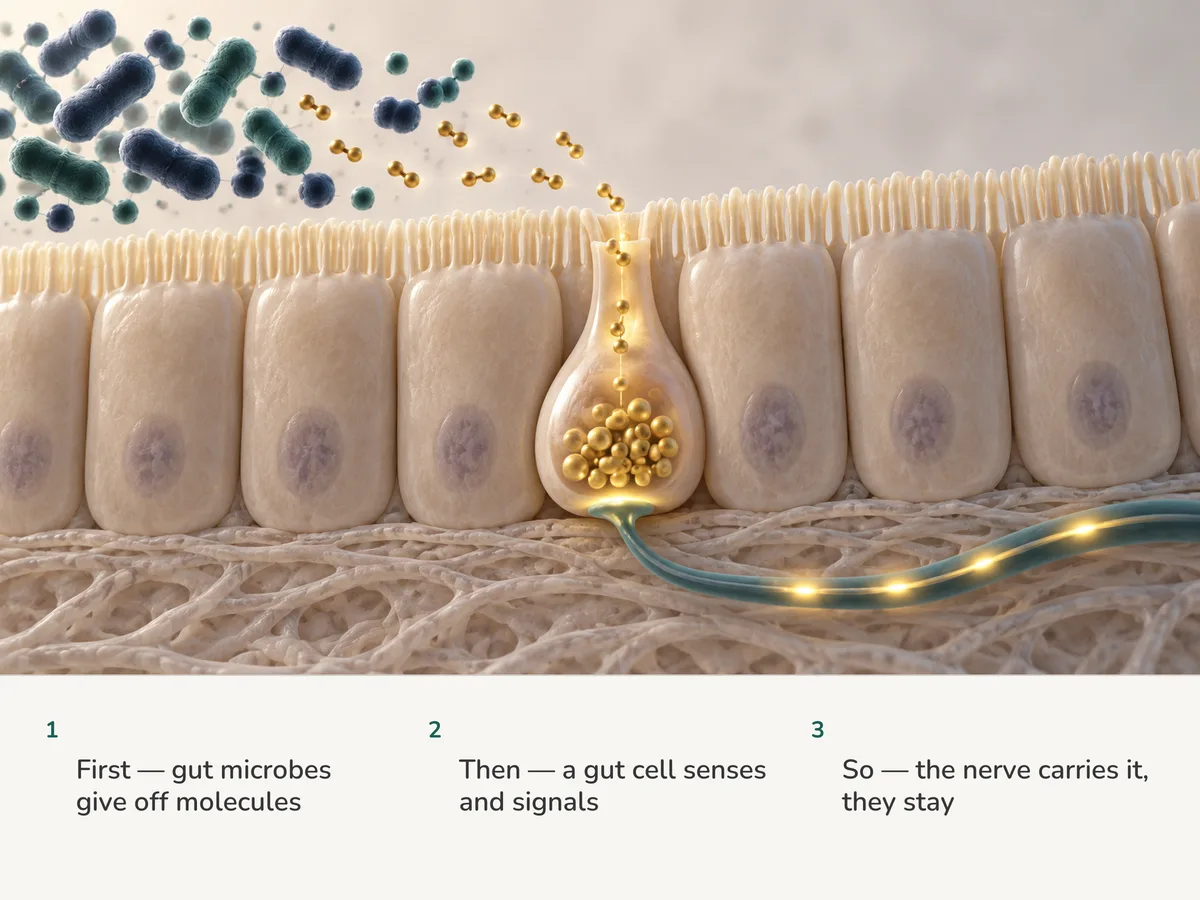
It can say: the routes exist — vagus, hormones, immune signals, metabolites; gut microbes shape brain development and stress physiology in animals; diet quality tracks with mental health in humans.
It cannot yet say: whether changing the microbiome treats depression or anxiety, which strains matter, or how much of the human effect is the diet rather than the bacteria. The mouse-to-human gap here is the widest in the field.
Read the encyclopedia of bacteria for the species named here, and the news list for what changed this month.